Determining the ideal home air filter replacement frequency is essential for maintaining clean air and keeping your HVAC system running efficiently. A clogged filter restricts airflow, making your system work harder and reducing overall performance. Dust, pet dander, and other airborne particles accumulate over time, leading to poor indoor air quality and potential strain on your heating and cooling system. Regularly replacing your air filter helps ensure optimal airflow, improves energy efficiency and creates a healthier living environment.
Home air filter replacement frequency depends on household factors. Most homes benefit from changing filters every 60 to 90 days. However, homes with pets or allergies should replace them every 30 to 45 days to maintain optimal air quality.
Replacing filters regularly prevents dust buildup, helps lower energy bills, and extends the lifespan of your HVAC system. A clean filter allows the system to circulate fresh air efficiently, reducing allergens and keeping your home environment comfortable.
A clogged air filter forces your HVAC system to work harder, increasing energy consumption and reducing efficiency. The more strain placed on the system, the more likely it is to break down prematurely. Sticking to the right home air filter replacement frequency helps prevent costly repairs and improves overall indoor air quality.
When filters aren’t replaced on time, they become breeding grounds for mold, bacteria, and dust mites. These pollutants circulate throughout your home, causing respiratory issues and aggravating allergies.
A clean air filter allows air to move freely, reducing the workload on your HVAC system. This leads to lower energy costs and a more consistent temperature throughout your home.
Routine filter changes reduce wear and tear on your system’s components. An overworked HVAC unit is more likely to experience malfunctions, leading to costly repairs or replacements.
Even if you follow a general schedule, certain signs indicate it’s time for an air filter replacement sooner than expected. Pay attention to these warning signals to keep your home’s air quality in check.
If household members experience frequent sneezing, itchy eyes, or congestion, your filter may be circulating allergens instead of trapping them.
A sudden rise in energy costs could mean your system is struggling to push air through a clogged filter. A simple replacement can restore efficiency.
If you notice more dust accumulating on your furniture and around vents, your filter is likely overdue for a change.
Choosing the right air filter affects both the home air filter replacement frequency and how efficiently it removes contaminants from the air. Higher-quality filters may last longer and capture more pollutants, while lower-quality options may require more frequent changes.
These are affordable and disposable, typically needing replacement every 30 days. They offer basic filtration but aren’t the best for households with allergies.
Made from polyester or cotton, pleated filters trap smaller particles than fiberglass ones. They last between 60 and 90 days, depending on usage.
High-efficiency particulate Air (HEPA) filters capture up to 99.97% of airborne particles, making them ideal for allergy sufferers. They require changing every 6 to 12 months.
Every home is unique, so the ideal home air filter replacement frequency varies based on several factors, including household size, pet ownership, and local air quality. Homes with pets, allergy sufferers, or high dust levels may require more frequent filter changes, while those in cleaner environments with minimal indoor pollutants might go longer between replacements.
Factors such as smoking indoors, living near construction zones, or using high-efficiency filters can also impact how often you should replace your air filter. Understanding these variables helps ensure your HVAC system runs efficiently while maintaining clean, healthy indoor air.
Pet hair and dander clog filters quickly. If you have one or more pets, replacing your filter every 30 to 45 days is recommended.
If someone in your household has respiratory issues, using high-quality filters and replacing them every 30 to 60 days can improve air quality significantly.
For homes without additional pollutants, filters can last 60 to 90 days before needing a change.
While replacing air filters is a simple task that helps maintain airflow and indoor air quality, deep air duct cleaning is best left to professionals. Over time, dust, allergens, and debris can accumulate within your ductwork, potentially reducing efficiency and circulating contaminants throughout your home.
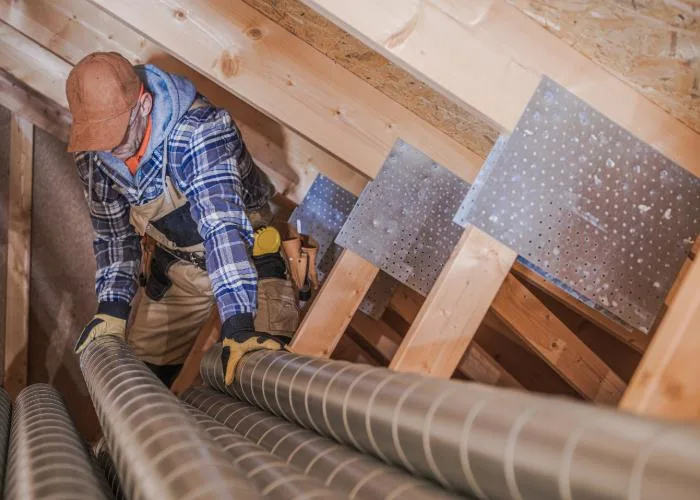
Professional cleaning ensures thorough removal of buildup, improving HVAC performance and promoting healthier indoor air.
Routine filter changes are straightforward and require no special tools. Keeping track of replacement dates ensures consistent performance.
An air duct cleaning service can remove built-up debris if your system is circulating excessive dust or odors persist after a filter change.
Professionals use advanced equipment to clear out allergens and contaminants that standard filters can’t trap, improving long-term air quality.
Knowing how to replace your air filter properly ensures optimal system performance and air quality.
Air filters are typically found in return air ducts, near the blower motor, or within wall or ceiling vents. In some homes, especially those with multiple HVAC units, you may have more than one air filter that needs replacing. If you’re unsure where your filter is located, check your HVAC system’s manual or look for vents that pull air in rather than push it out.
Before purchasing a replacement filter, check the existing one for its dimensions and type, which are usually printed on the frame. Using the correct size ensures a proper fit, preventing air from bypassing the filter and reducing its effectiveness. Additionally, consider the filter’s MERV (Minimum Efficiency Reporting Value) rating, which determines its ability to trap dust, allergens, and other airborne particles. Higher MERV ratings offer better filtration but may require more frequent replacement if they restrict airflow.
When installing the new filter, make sure to align it according to the airflow direction indicated on the frame—usually marked with an arrow. This ensures the filter functions properly and doesn’t obstruct airflow. Once inserted, securely close the cover or panel to prevent air leaks. After installation, consider setting a reminder for your next replacement based on your home’s air quality needs.
Even with regular air filter changes, dust and debris accumulate in your air ducts over time. Professional air duct cleaning helps remove hidden contaminants, improving indoor air quality and HVAC efficiency.
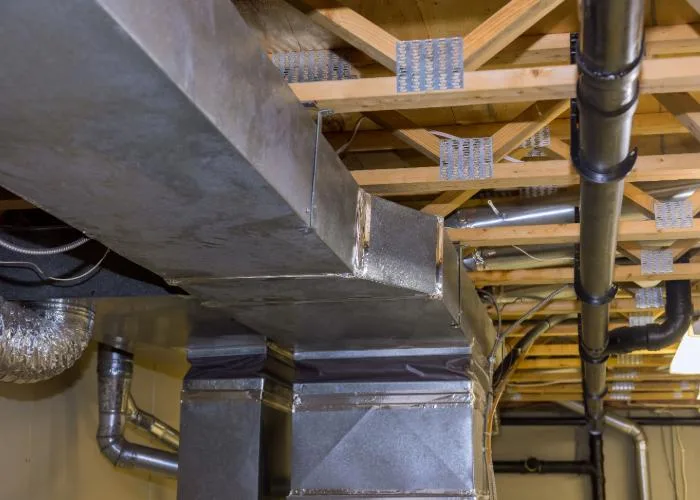
RA Air Duct Cleaning Services specializes in thorough cleanings that eliminate dust, pet dander, and allergens from your system. Our expert team provides detailed inspections and effective cleaning solutions to help maintain a healthier home environment.
Regular filter replacements play a big role in maintaining air quality, but professional air duct cleaning takes it a step further. RA Air Duct Cleaning Services offers expert solutions to improve airflow, reduce allergens, and boost your HVAC system’s performance.
Whether you need routine maintenance or a deep cleaning, their team is ready to help. Don’t let dirty air filters and ducts compromise your home’s comfort—contact us today and breathe easier!
Maintaining a clean and efficient HVAC system is crucial for ensuring optimal indoor air quality and energy efficiency in your home. One of the most important components of this system is the air filter, which traps dust, allergens, and other airborne particles, preventing them from circulating throughout your living spaces. Knowing when to replace your home air filter is essential not only for the health of your household but also for the longevity of your heating and cooling systems.
Understanding when to replace home air filter is key to maintaining indoor air quality. Typically, filters should be changed every 1-3 months depending on usage and environmental factors. Regular replacement ensures your HVAC system runs efficiently..
Regularly changing your air filter can lead to numerous benefits, including improved energy efficiency, reduced utility bills, and a healthier living environment. Neglecting this simple maintenance task can result in higher energy consumption, increased wear and tear on your HVAC system, and poor air quality, which can exacerbate allergies and respiratory issues.
Recognizing the signs that indicate your air filter needs replacing can help you maintain a healthy home environment and ensure your HVAC system operates smoothly. Here are some key indicators to watch for.
If you can see dirt and dust on your air filter, it’s a clear sign that it needs to be changed. A dirty filter is less effective at trapping airborne particles, leading to poor air quality.
Reduced airflow from your vents indicates that the air filter is clogged, restricting the system’s ability to circulate air efficiently.
A dirty air filter forces your HVAC system to work harder, leading to higher energy consumption and increased utility bills.
Different types of air filters offer varying levels of filtration efficiency and are suited to different needs. Knowing which type to use and when to perform an air filter replacement can impact both indoor air quality and your HVAC system’s performance.
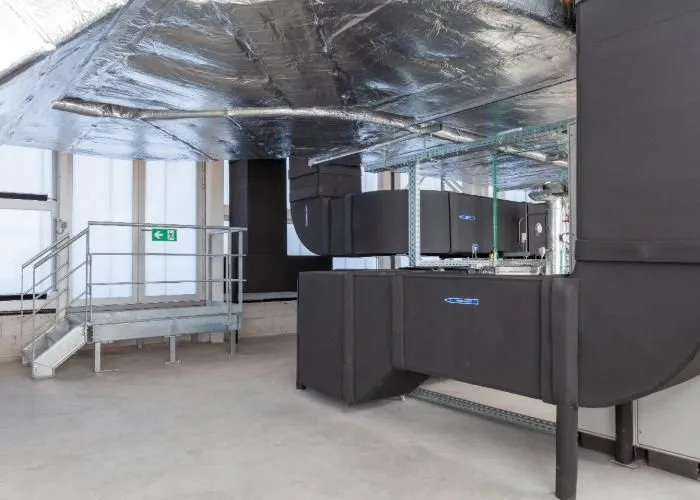
Disposable air filters are designed for single use and should be replaced regularly to maintain effectiveness.
Washable filters can be cleaned and reused multiple times, offering a cost-effective and environmentally friendly option.
Pleated filters have a larger surface area, allowing them to trap more particles and providing better filtration than basic filters.
The frequency with which you should replace your air filter depends on several factors, including the type of filter, household size, and environmental conditions.
Larger households and those with pets may require more frequent filter changes due to increased dust and pet hair.
Homes in dusty or polluted areas may need more frequent air filter replacements to maintain air quality.
High-efficiency filters may last longer, but it’s essential to follow manufacturer recommendations based on their MERV ratings.
Consistently replacing your air filter offers numerous advantages, from improved air quality to enhanced HVAC system performance.
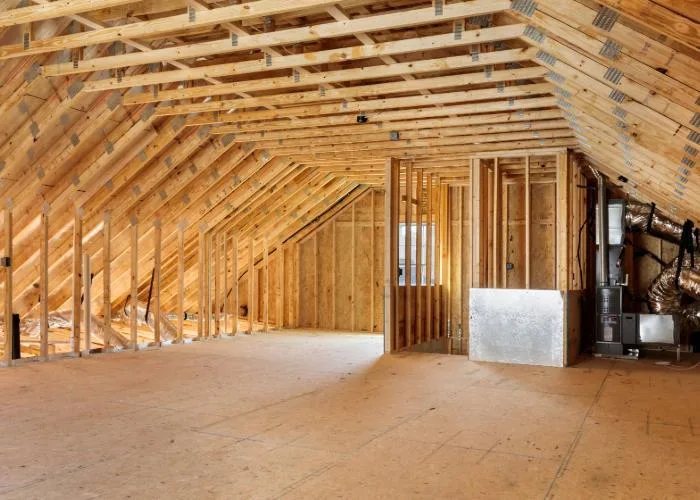
Fresh filters effectively remove allergens, dust, and other pollutants, creating a healthier living environment.
A clean filter reduces strain on your HVAC system, allowing it to operate more efficiently and prolonging its lifespan.
Efficient HVAC operation means less energy consumption, leading to noticeable savings on your energy bills.
Selecting the appropriate air filter for your home involves understanding your specific needs and the capabilities of different filter types.
The Minimum Efficiency Reporting Value (MERV) indicates a filter’s ability to capture particles. Higher ratings offer better filtration but may restrict airflow if not compatible with your system.
Ensure the filter size matches your HVAC system’s specifications to maintain proper airflow and system efficiency.
If you have allergies or respiratory conditions, choosing a filter with higher filtration capabilities can significantly improve your indoor air quality.
A dirty air filter can have several negative effects on your HVAC system, leading to inefficiency and potential damage.
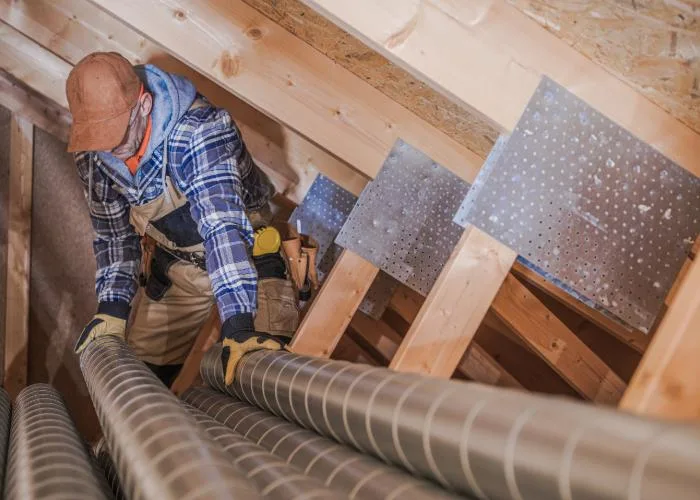
H3: Reduced Airflow and System Strain
Clogged filters restrict airflow, forcing the HVAC system to work harder and potentially leading to overheating and equipment failure.
Constant strain on your HVAC system due to a dirty filter can result in more frequent repairs and a shorter lifespan for your equipment.
Inconsistent temperature regulation can occur when the HVAC system struggles to circulate air effectively through a clogged filter.
Deciding whether to replace your air filter yourself or hire a professional can depend on your comfort level and the complexity of your HVAC system.
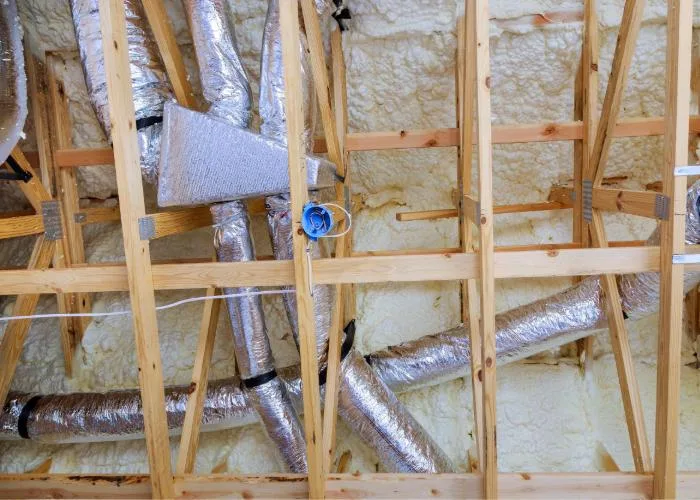
Replacing your air filter on your own can be cost-effective and straightforward with basic knowledge and tools.
For more complex HVAC systems or if you’re unsure about the correct filter type and installation, seeking professional assistance can ensure optimal performance.
Whether DIY or professional, establishing a regular schedule for filter replacement helps maintain system efficiency and air quality.
Implementing maintenance practices can help prolong the life of your air filter and optimize your HVAC system’s performance.
Frequently check your air filter for signs of dirt and damage to determine if it needs replacing sooner than scheduled.
Reducing dust and debris in your home can lessen the load on your air filter, extending its useful life.
Investing in good quality filters can provide better filtration and longer-lasting performance, reducing the frequency of replacements.
RA Air Duct Cleaning Services provides expert air filter replacement and duct cleaning solutions to enhance your home’s air quality and HVAC efficiency. Our skilled technicians assess your system’s needs, recommend suitable filters, and ensure precise installation. With our comprehensive services, RA Air Duct Cleaning Services helps you maintain a clean and efficient HVAC system, ensuring fresh air and reduced energy costs for your home.
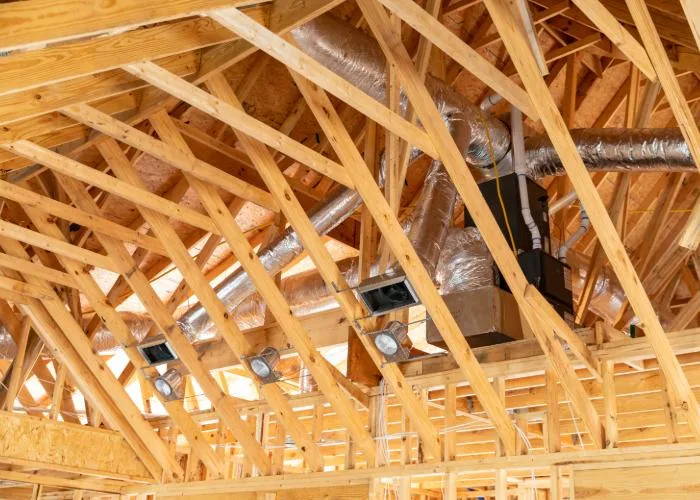
Maintaining your HVAC system through regular air filter replacement is essential for ensuring a healthy and comfortable home environment. At RA Air Duct Cleaning Services, we understand the importance of knowing when to replace home air filter and are committed to helping you implement consistent maintenance practices.
By partnering with us, you can enhance indoor air quality, improve energy efficiency, and prolong the lifespan of your HVAC equipment. Don’t overlook the importance of timely air filter changes—contact us and let us assist you in taking this simple step that offers significant benefits for your home’s air quality and your HVAC system’s performance.