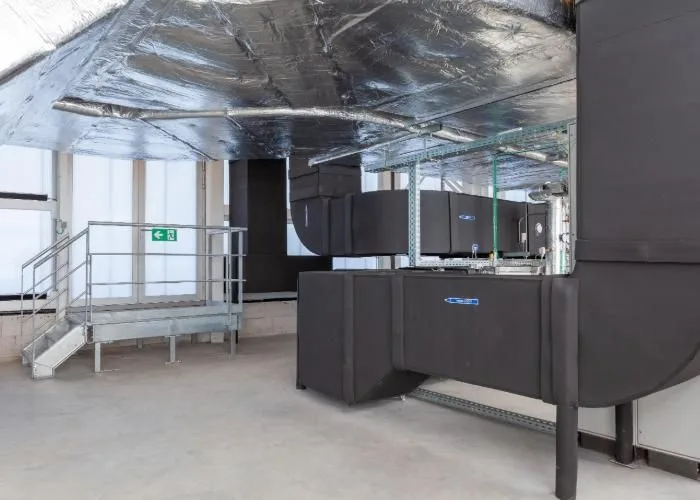
How often should air ducts be cleaned is a common question for homeowners looking to maintain a healthier home and a smoothly running HVAC system. Dust, allergens, pet dander, and debris naturally accumulate within ductwork over time, which can impact the air you breathe and the overall performance of your heating and cooling system. While cleaning intervals vary depending on factors like household habits and environmental conditions, staying on top of duct maintenance plays a key role in improving indoor air quality and prolonging the life of your HVAC system.
How often should air ducts be cleaned? Most homes benefit from a professional cleaning every 3 to 5 years. However, factors like pets, allergies, smoking, or recent renovations may require more frequent maintenance to maintain optimal air quality and HVAC performance.
So, how do you know if it’s time to schedule a cleaning? By understanding the signs of dirty air ducts and the factors that influence cleaning frequency, you can make the best decision for your home and family. Let’s explore everything you need to know.
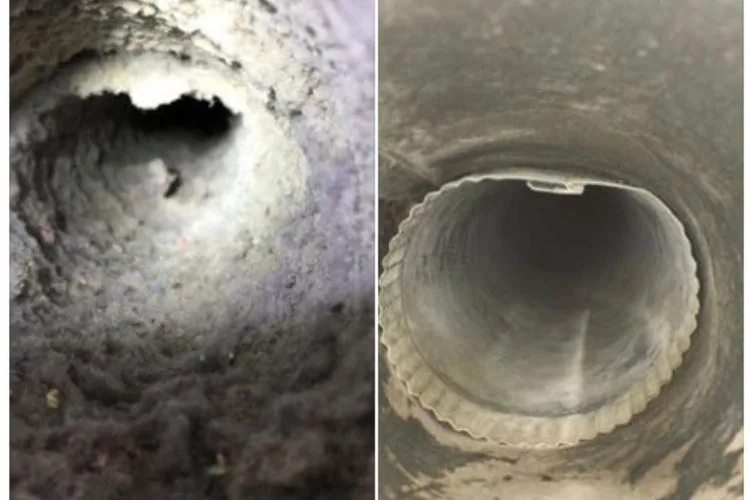
Air duct cleaning is a professional process that removes accumulated dust, debris, pet dander, allergens, and other pollutants from the ductwork of your HVAC system. Over time, these particles settle in supply and return air ducts, registers, grilles, and diffusers, potentially restricting airflow and impacting the air quality in your home. A thorough cleaning involves specialized equipment to dislodge and extract contaminants, restoring the ducts to a cleaner state. This service goes beyond just improving airflow; it helps create a healthier indoor environment by eliminating the particles circulating in your home. By addressing this buildup, air duct cleaning contributes to your space's comfort and cleanliness.
Investing in regular air duct cleaning promotes a healthier, more comfortable living space while supporting the efficiency and durability of your HVAC system.
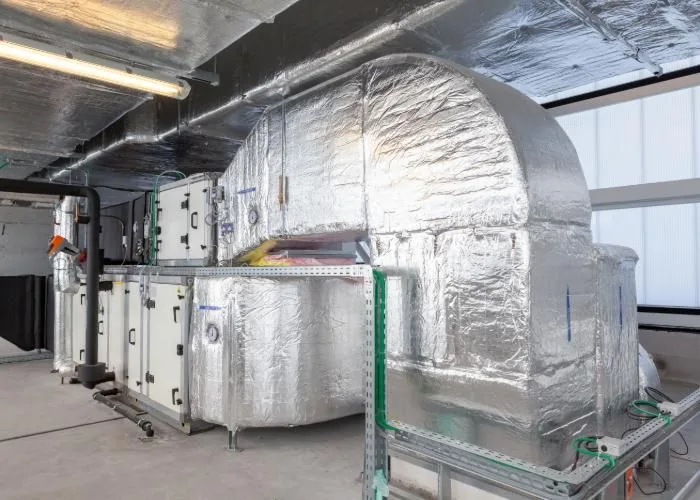
How often should air ducts be cleaned? Industry standards suggest that most homes benefit from a professional cleaning every three to five years. This timeframe is based on typical household conditions and the natural accumulation of dust and debris over time. Regular maintenance within this interval helps maintain optimal air quality and HVAC efficiency.
However, not every home follows the same schedule. Several factors can influence the frequency of air duct cleaning:
Considering these factors allows homeowners to adjust their cleaning schedules to fit their specific needs, ensuring their indoor air remains as clean and healthy as possible.
The frequency of air duct cleaning isn’t one-size-fits-all. Several key factors affect how often your home’s ducts may need attention:
Environmental Conditions
Living in areas with high levels of pollen, dust, or air pollution often leads to faster accumulation of debris in air ducts. Homes near construction sites or in regions with frequent wildfires may also require more frequent cleanings.
Household Habits
Your daily routines and lifestyle play a big role.
Health Considerations
If anyone in your home suffers from allergies, asthma, or other respiratory issues, cleaner air ducts can make a significant difference. Regular cleaning reduces the presence of irritants, helping to create a healthier indoor environment.
Home Renovations
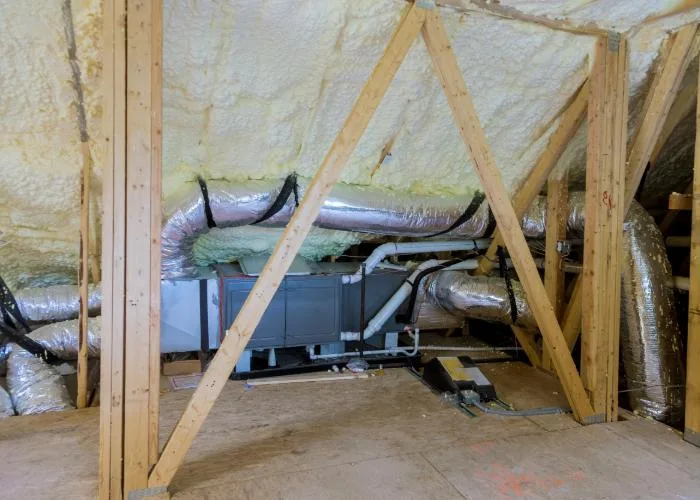
Remodeling projects generate dust, drywall particles, and debris that settle in your ductwork. A post-renovation cleaning is often necessary to remove these materials and restore air quality.
Understanding these factors helps you determine the right cleaning schedule for your home, tailored to its unique conditions and needs.
Wondering if it’s time to clean your air ducts? Pay attention to these clear warning signs:
If you’ve noticed any of these issues, it’s likely time to schedule a professional duct cleaning to address the problem and improve your home’s air quality.
Failing to maintain your air ducts can lead to several serious consequences that affect both your home and your health:
Regular air duct maintenance helps avoid these risks, keeping your home safer, healthier, and more energy-efficient.
Choosing the right air duct cleaning service is key to achieving the best results. A reputable company with experience and proper certifications will have the tools and expertise to thoroughly clean your ducts, removing even the most stubborn buildup.
When selecting a provider, consider asking:
While DIY methods may seem appealing, they often fail to address deeper contaminants or hidden issues within the ductwork. Professional cleaning goes beyond surface-level dust removal, targeting hard-to-reach areas and ensuring the system operates at its best. Working with trained experts saves time and gives you peace of mind knowing the job is done thoroughly and safely.
Maintaining clean air ducts is crucial in home upkeep, as it directly impacts indoor air quality and HVAC performance. Dust, allergens, and contaminants collect in ducts over time, lowering the air quality throughout your home and potentially causing respiratory issues. Regular air duct cleaning can help improve clean air flow, benefiting health and energy efficiency. Homeowners often wonder about how much does it cost to clean air ducts. While prices vary based on several factors, understanding these costs allows you to make informed decisions about maintaining your air ducts and overall home environment.
Are you wondering how much it costs to clean air ducts? Pricing generally falls between $300 and $500, depending on home size, duct complexity, and contamination level. Investing in professional cleaning improves indoor air quality and HVAC efficiency, keeping your home healthier.
Let’s explore the factors influencing pricing and determine what you can expect to pay.
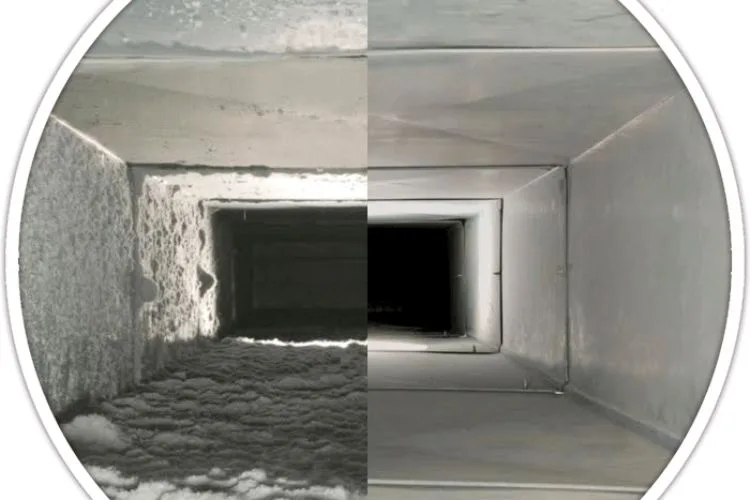
Regular air duct cleaning impacts multiple areas of your home environment, from the air you breathe to the efficiency of your heating and cooling system. Below are some of the key reasons why homeowners prioritize this service.
Dust, pet dander, and other debris accumulate in air ducts over time, circulating throughout your home whenever the HVAC system runs. Air duct cleaning removes these contaminants, providing cleaner, fresher air.
With fewer particles released into the air, surfaces gather less dust, making your home easier to keep clean.
Scheduling regular air duct cleaning has clear advantages, creating a healthier, more efficient home environment and potentially saving you money in energy costs over time.
Several elements play a role in determining the cost of air duct cleaning. Understanding these factors can help you budget and assess quotes from service providers accurately.
Larger homes typically require more time and effort to clean due to the increased length and number of air ducts.
Homes with multiple levels or larger square footage tend to fall on the higher end of the pricing spectrum.
Complex duct systems, including multiple branches or unique layouts, increase labor time and cost.
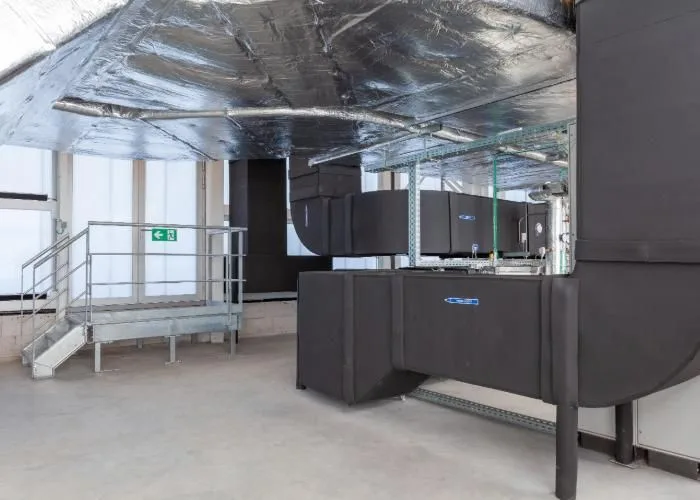
Older homes may also have intricate duct configurations, which require additional care and effort to clean properly.
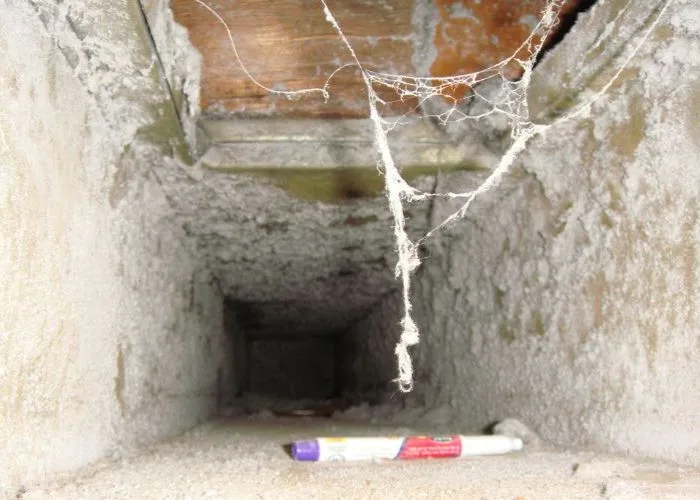
Homes with high dust levels, pet hair, or evidence of mold in the ducts will often face higher cleaning costs.
Smoke residue, heavy dust buildup, or rodent infestations add to the complexity and time needed for a thorough cleaning.
Many companies offer optional add-ons that enhance the cleaning process, which can increase the overall cost. Common additional services include:
Each factor influences the final cost, allowing homeowners to choose the most relevant services to their needs and budget.
Air duct cleaning costs vary, but homeowners typically expect a range between $300 to $500 for standard services. Here’s what usually falls within each price bracket:
In some areas, especially urban centers, air duct cleaning may exceed the national average due to higher service demand and labor costs.
Companies may offer services like dryer vent cleaning, UV light installation, and antimicrobial treatments to improve indoor air quality further.
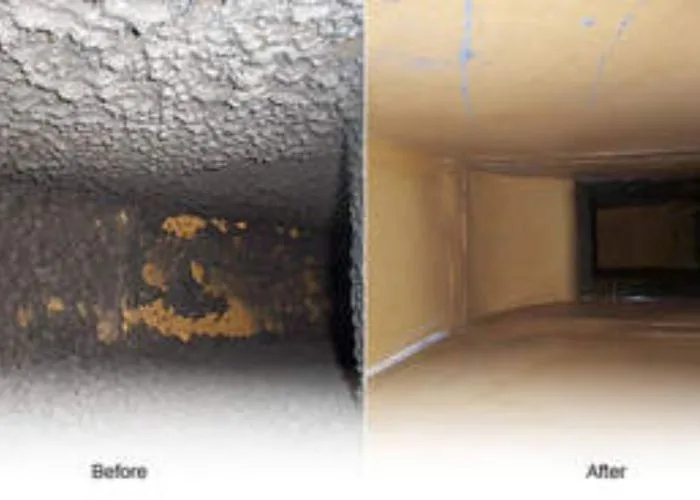
Understanding these cost brackets and options allows homeowners to select services that best fit their needs and regional pricing norms.
When it comes to air duct cleaning, homeowners often weigh the option of DIY versus hiring professionals. Each approach has its costs and risks.
Cost: Relatively low, as it typically only requires basic tools like a vacuum, brushes, and an air compressor.
Risks: Without specialized equipment, it’s difficult to reach deep areas of the duct system, leaving debris behind. DIY cleaning may also spread dust, potentially lowering air quality instead of improving it.
Professional services bring a level of thoroughness and safety that DIY methods can’t match, especially for homes with extensive contamination or complex duct systems.
Most experts recommend air duct cleaning every 3 to 5 years under standard conditions. However, several factors can influence this frequency, making more frequent cleaning beneficial in certain situations.
Homes with Pets: Ducts in homes with one or more pets may need cleaning every 2 to 3 years due to pet dander and hair buildup.
Allergy or Asthma Sensitivities: Households with members who suffer from allergies or asthma benefit from a cleaning every 2 years to reduce allergens in the air.
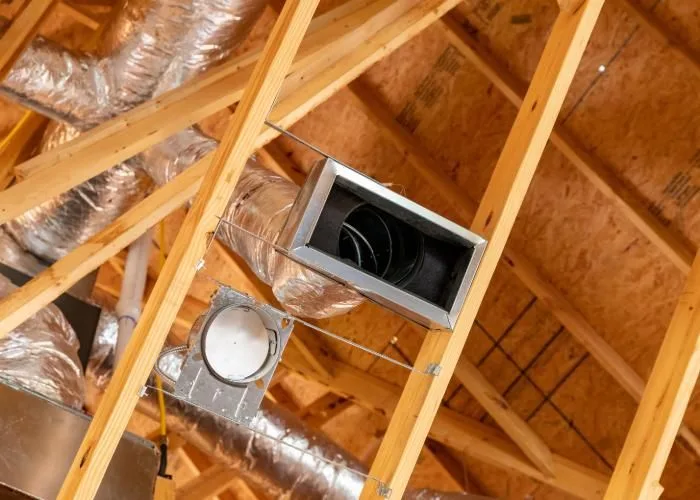
High HVAC Usage: In regions with extreme weather where HVAC systems run year-round, ducts accumulate dust more quickly, suggesting cleaning every 3 years.
Staying attentive to these indicators helps maintain clean air, promoting a healthier and more efficient home environment.
Choosing a reputable air duct cleaning service involves asking the right questions. Here are essential topics to cover:
Are You Licensed and Insured?
Confirm that the company holds the necessary licenses and insurance to operate. This protects you from liability if something goes wrong.
What Does Your Cleaning Process Involve?
Ask for a detailed description of their process, including which areas will be cleaned and whether they use high-powered equipment suitable for thorough duct cleaning.
Do You Offer Any Warranties?
Inquire about warranties or guarantees on the quality of work, especially important for services involving mold removal or sanitization.
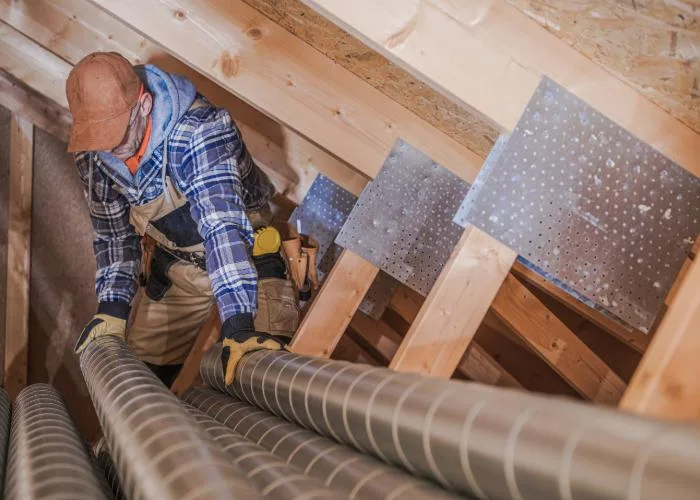
What Are Your Pricing Policies?
Ensure the company provides a clear, itemized estimate without hidden fees. Transparency in pricing helps you avoid unexpected charges.
Can I See Customer Reviews or References?
Customer feedback or references add credibility and give insight into service quality.
Importance of Multiple Quotes and Transparency
Seeking quotes from at least three companies provides a clearer sense of fair pricing in your area. A transparent company that answers these questions thoroughly is more likely to offer reliable, professional service.
In summary, air duct cleaning costs hinge on factors like home size, duct complexity, contamination level, and additional services. Investing in professional air duct cleaning not only preserves air quality but also supports a smoothly running HVAC system. Choosing RA Air Duct Cleaning Services brings trusted expertise that keeps your home healthier and more comfortable for years to come.
What happens if you don’t clean your air ducts is a question many homeowners overlook, but it’s crucial for maintaining a clean and healthy living environment. Air ducts are vital in circulating the air throughout your home, impacting everything from indoor air quality to your family’s well-being. Neglecting to clean them may lead to dust, allergens, and even mold buildup, potentially affecting your health and comfort. Let’s explore why cleaning your air ducts is essential for a fresh and safe home atmosphere.
Air ducts are essential components in any home or business and distribute air throughout the building. These ducts facilitate the flow of heated or cooled air, helping to maintain a comfortable indoor temperature. Air passing through the ducts carries particles like dust, pollen, and other allergens. Over time, these particles accumulate within the ductwork, potentially impacting indoor air quality.
The buildup of contaminants in air ducts doesn’t just affect air quality; it can also influence the efficiency of your HVAC system. As debris collects, it may restrict airflow, making the system work harder to maintain the desired temperature. This increased effort may lead to higher energy bills and additional wear and tear on your system. Regular air duct cleaning helps to prevent these issues, promoting a cleaner, healthier environment and a more efficient HVAC system.
Maintaining clean air ducts is a proactive step towards safeguarding your indoor environment and the longevity of your HVAC system. Learn more about the potential consequences of neglecting regular air duct cleaning.
What happens if you don't clean your air ducts, over time, air ducts accumulate dust, pollen, pet dander, and other allergens. This buildup may negatively impact indoor air quality, aggravating allergies and respiratory conditions for household members.
Dirty air ducts have been linked to various respiratory issues, such as asthma and bronchitis. Additionally, they might expose occupants to mold spores and bacteria, further affecting health and well-being.
Dirty air ducts often reduce HVAC efficiency, which may result in higher energy costs. The extra strain on the system may also lead to more frequent repairs or the need for early replacements.
Contaminants in the air ducts often cause musty or stale smells in the home. This buildup of dust and debris will also settle on furniture and flooring, diminishing overall cleanliness.
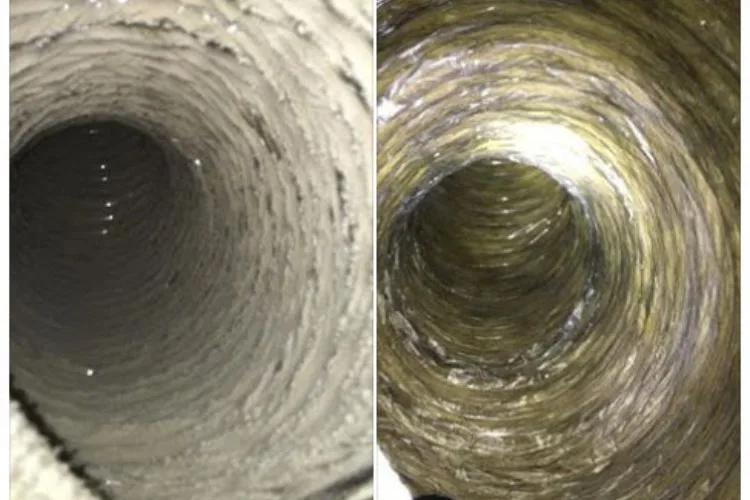
It’s generally recommended that air ducts be cleaned every 3 to 5 years. However, the frequency can vary based on specific circumstances. Homes with pets, recent renovations, or areas with high dust levels may need more frequent cleaning. Additionally, if someone in the household suffers from allergies or respiratory issues, more regular cleaning could be beneficial. Regular maintenance helps to promote a healthier indoor environment and improve overall air quality.
When it comes to air duct cleaning, homeowners may wonder whether to tackle the job themselves or hire professionals. While DIY methods might seem tempting for saving money, professional air duct cleaning offers several key advantages that are hard to match with a do-it-yourself approach. Here’s a breakdown of the benefits and considerations for both options:
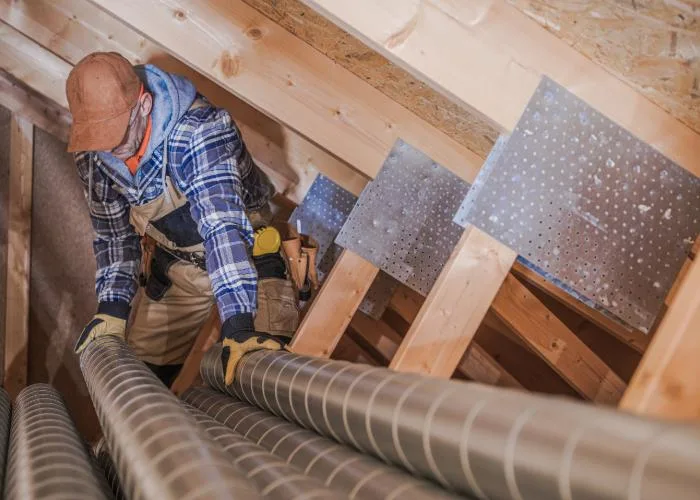
Choosing between professional and DIY air duct cleaning depends on your priorities, budget, and comfort level. However, the benefits of professional cleaning often outweigh the potential downsides of attempting it yourself, offering peace of mind and a healthier home environment.

Regular air duct cleaning is essential for maintaining a healthy and comfortable living environment. Clean ducts help improve indoor air quality, reduce allergens, and ensure your HVAC system operates efficiently. These benefits contribute to overall well-being and can even help lower energy bills. If you’ve noticed signs that your air ducts might need cleaning, and you don't want to find out what happens if you don't clean your air ducts, now is the perfect time to act. RA Air Duct Cleaning Services in Orange County, CA, offers professional and thorough air duct cleaning solutions. Contact us today to schedule a consultation or to book a cleaning service. Let us help you breathe easier in your home!
1. What preparation is needed before air duct cleaning?
Before a professional cleaning, clearing the area around your HVAC system and vents is helpful to provide easy access. Removing fragile items from the vicinity is also recommended to avoid accidental damage.
2. How is air duct cleaning performed?
Professional air duct cleaning typically involves specialized equipment, such as high-powered vacuums and brushes. Technicians will clean the ducts, vents, and HVAC components, ensuring the removal of dust, debris, and contaminants.
3. Are there any risks associated with air duct cleaning?
When performed by professionals, air duct cleaning is safe and effective. However, DIY attempts can pose risks such as incomplete cleaning, potential duct damage, or spreading contaminants if not done correctly.
4. Will air duct cleaning disrupt my daily activities?
Most professional air duct cleaning services are designed to be minimally disruptive. Technicians will work efficiently, and the process is usually completed within a few hours, depending on the size of your home.
5. How can I maintain clean air ducts between professional cleanings?
To help maintain clean air ducts, regularly change your HVAC filters, keep vents clean, and minimize dust and pet dander in your home. Proper home ventilation and controlling humidity levels can also reduce the likelihood of mold growth in the ducts.
The quality of indoor air is a paramount concern for many homeowners and businesses alike. One critical aspect of maintaining indoor air quality is maintaining the cleanliness of the air ducts through which air circulates within a building. But what exactly does the air duct cleaning process involve, and how is it carried out? This comprehensive guide aims to demystify the air duct cleaning process, addressing common questions and concerns, including its benefits, potential drawbacks, and frequency.
The air duct cleaning process involves inspecting, vacuuming, and sanitizing ductwork to remove dust and contaminants, improving indoor air quality and HVAC efficiency.
Air duct cleaning is a comprehensive procedure aimed at improving the air quality of your indoor environment and the overall performance of your heating, ventilation, and air conditioning (HVAC) systems. The process involves several key steps, each designed to tackle the accumulation of dust, debris, and various contaminants within the ductwork. Let's delve deeper into how the air duct cleaning process is executed to get a cleaner, healthier indoor atmosphere.
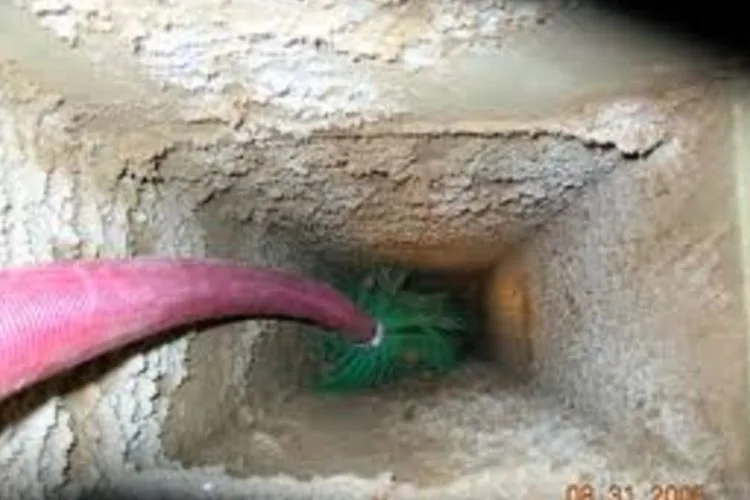
The process begins with a thorough inspection of the HVAC system's ductwork. Professionals use specialized cameras and tools to evaluate the extent of contamination and debris accumulation. The initial assessment helps in determining the most effective cleaning strategy tailored to the specific conditions of the ductwork. It also aids in identifying any potential issues, such as leaks or damage, that may require attention.
Before the actual cleaning begins, technicians take measurements to protect the home or building's interior from the dust and debris that will be dislodged during the cleaning process. It usually involves sealing off the work area and covering furniture and flooring to prevent contamination. The cleanliness and safety of the surrounding environment is always a priority as long as you partner with a reputable air duct cleaning company.
The cornerstone of the duct cleaning process is the use of an extremely powerful vacuum system. The system is either mounted on a truck or a portable unit, designed to create negative pressure within the ductwork. As the vacuum pulls air through the system, it also extracts accumulated dust, debris, and other particulates, effectively removing them from the ducts.
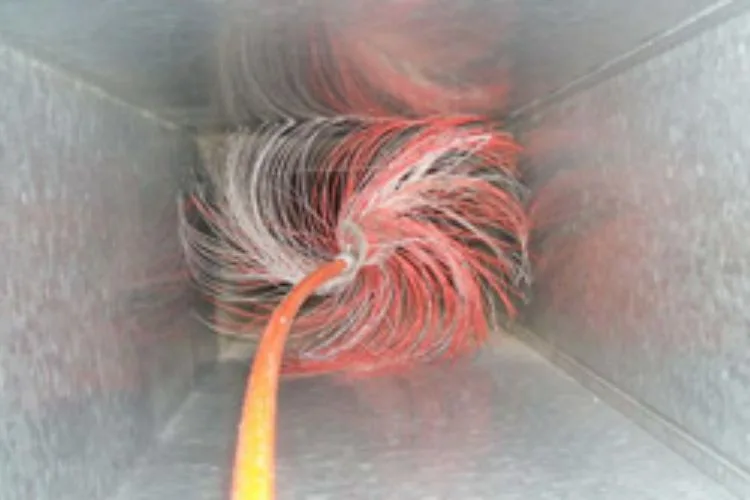
Simply vacuuming the ducts may not remove all the contaminants, especially those that are firmly attached to the duct surfaces. To address this, various agitation tools, such as brushes, air whips, and compressed air nozzles, are employed. These tools help to loosen stubborn dirt and debris, making it easier for the vacuum system to remove them thoroughly.
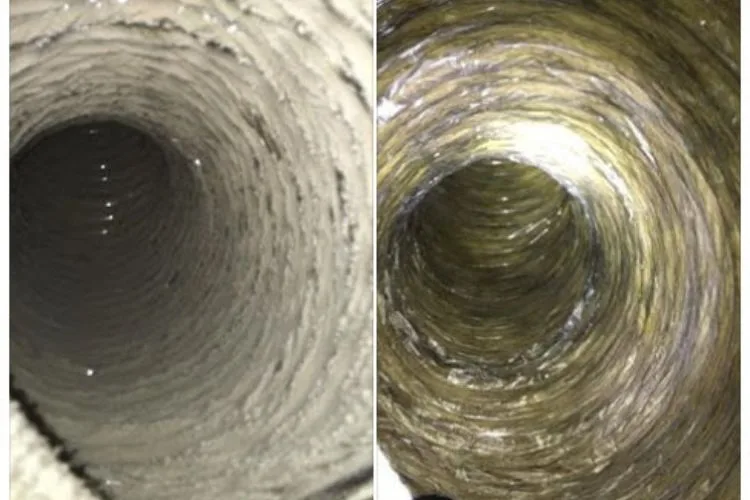
In certain cases where there is evidence of mold growth, bacterial contamination, or persistent odors, the ducts may be sanitized using chemical biocides. It's a step that is usually optional and should be approached with caution, as the use of chemicals in air ducts is a subject of debate regarding its safety and effectiveness. It's important to consult with professionals and consider the potential health impacts before proceeding with duct sanitization.
After the cleaning process is completed, a final inspection is conducted to make sure that the ducts are thoroughly cleaned and that no debris has been left behind. It helps with the integrity of the HVAC system and the quality of the indoor air. The work area is then cleaned up, and all access holes made to the ductwork for cleaning are properly sealed off.
The air duct cleaning process is a meticulous task that requires specialized equipment and expertise. It plays a crucial role in maintaining a healthy indoor environment, free from airborne contaminants that affect air quality and the efficiency of your HVAC system. Regular cleaning, based on the specific needs of your environment, ensures that your indoor air remains clean and your HVAC system operates at its best.
The benefits of air duct cleaning are numerous, including improved indoor air quality, enhanced HVAC system efficiency, and potentially reduced energy costs. However, the necessity and frequency of duct cleaning can vary based on several factors, including pets, smoking, recent renovations, and the overall sensitivity of residents to allergens.
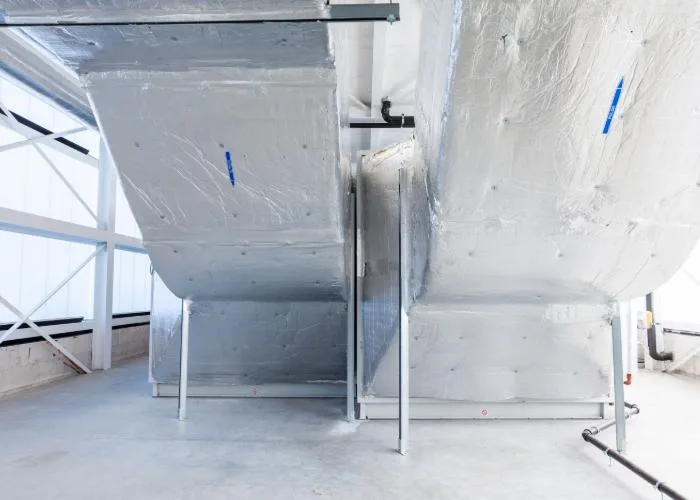
The Environmental Protection Agency (EPA) suggests cleaning air ducts as needed rather than on a strict schedule. However, it's generally recommended that air ducts be cleaned every three to five years. The frequency will change depending on the factors mentioned above.
While it's possible to do some basic cleaning of the ducts yourself, such as vacuuming the registers and grilles, a thorough cleaning requires specialized equipment and expertise. DIY attempts may not effectively remove built-up debris and can potentially damage the ductwork. It might seem like a cost you're not necessarily interested in paying, but it's better than dealing with even higher charges for damaged ducts or other losses caused by doing the job incorrectly.
There are various methods for cleaning air ducts, but the most effective approach typically involves a combination of powerful vacuuming and mechanical agitation. When you're checking around for someone to assist you with your project, do a thorough check to make sure that the service provider adheres to the standards set by the National Air Duct Cleaners Association (NADCA).
While duct cleaning has its pros, there are potential cons to consider. As mentioned, improper cleaning techniques can damage the ductwork or HVAC system, and that can be an expensive fix. Additionally, the use of chemical sanitizers is a contentious issue due to potential health risks. It's crucial to hire reputable technicians who use safe and effective cleaning methods. Take the time to check references and the history of the contractor you intend to use. Doing a little research upfront will save you a massive headache in the future.
Air duct cleaning is a vital process for maintaining indoor air quality and HVAC system efficiency. While it offers numerous benefits, it's essential to approach it with an informed perspective, considering the potential drawbacks and the necessity based on individual circumstances. Hiring reputable professionals and understanding the process will guarantee that duct cleaning is worth the investment for your specific needs. At RA Air Duct Cleaning Services, we have years of experience in performing all types of residential and commercial air duct cleaning work. If you're interested in starting with an inspection, we encourage you to reach out to set up an appointment. Our team will walk you through every step so that you can feel comfortable with what we're doing at your property.

Keeping your home's HVAC system properly maintained is key to having healthy indoor air quality. One important but often overlooked component is your air ducts. Air ducts circulate cooled and heated air from your HVAC system throughout your home. When they become contaminated with dust, dirt, mold, and other pollutants, these can circulate through your home and compromise your indoor air quality.
So, how do I know if my air ducts need to be cleaned? The most telling signs your air ducts need cleaning include visible mold growth inside the ducts, heavy dust buildup, strange odors blowing from the vents, reduced airflow, poor indoor air quality, a recent water damage event, or pre-existing health issues with dust and allergies.
Here are 9 signs that indicate it may be time to have your air ducts professionally cleaned.
If you can see mold growing on the exterior or interior of your ductwork, then you definitely need professional air duct cleaning. Mold spores get circulated through your home via the HVAC system and can cause allergy symptoms or even respiratory illness for sensitive individuals. Have a professional inspect, clean, and, if necessary, replace parts of the ductwork that have mold present.
Learn more about us and how we clean air ducts.
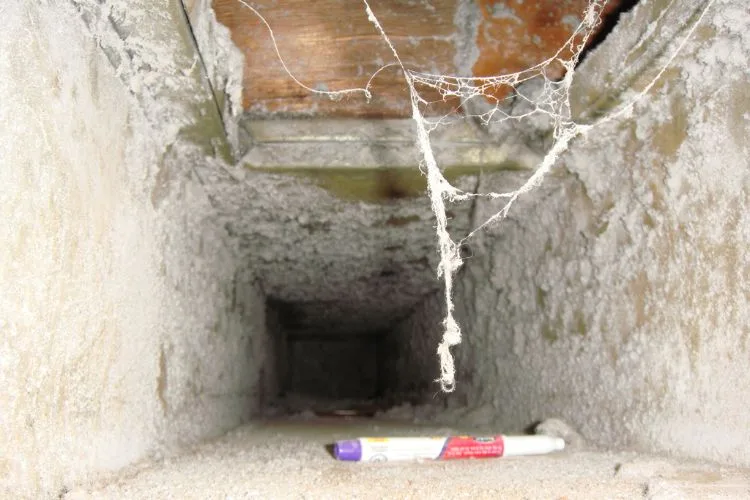
Peek inside your ductwork or vents. If you notice a heavy layer of dust, dirt, debris, that's a red flag your air ducts need cleaning. Large dust buildup makes it harder for air to properly circulate and can strain your HVAC system. Moreover, the pollutants present in dust will continue circulating in your indoor air.
If you can hear scampering in your ductwork or notice strange odors, you may have a rodent problem. Droppings, nesting materials, and even deceased rodents can all introduce health hazards via your ductwork. Have a professional inspect and sanitize your ducts if you suspect your ductwork has hosted some furry pests.
Do you notice odd smells when your HVAC system turns on? Perhaps a musty, rotten eggs, burnt toast, or other strange smell? That's a sign that contaminants are present in your ductwork and need to be professionally cleaned. Ductwork can harbor mold, bacteria, vermin droppings and corpses, and other nasty compounds that get blown into your living spaces.

If your HVAC system seems to be working overtime with little effect on the temperature and airflow in your home, dirty air ducts may be the culprit. Contaminants cause friction and airflow resistance in ductwork, making your system work less efficiently. Having your entire HVAC system cleaned professionally can restore proper function.
Do you battle stuffy, stagnant air, unpleasant odors, worsened allergies, or inexplicable respiratory illness? Your ductwork may be circulating airborne irritants and unhealthy air throughout your home. Cleaning your ducts removes contaminants so fresher, cleaner air can flow properly again.
Even if your ducts appear clean, if they are over 10 years old, it doesn't hurt to get them professionally cleaned. Over years of use, dust, dander, and vapors accumulate inside the ductwork and get blown back into your air. An intensive duct cleaning rejuvenates your old ductwork, so it performs like new again.
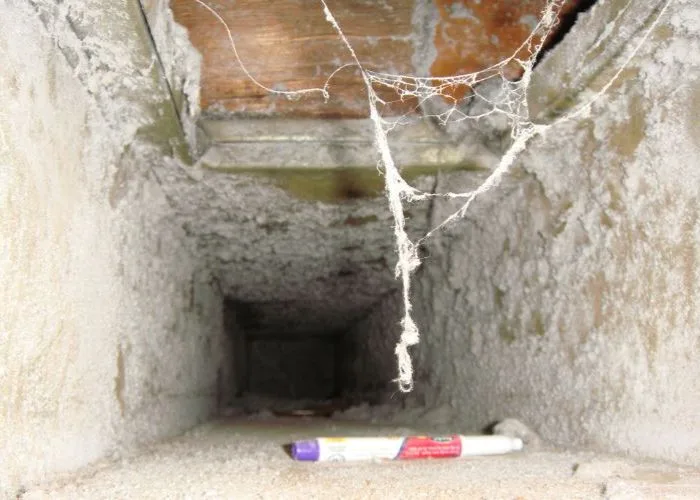
If you've had any water damage in your home, especially near your HVAC equipment, it's wise to get your ducts cleaned. Floodwaters can introduce mold or bacteria into your ductwork. A thorough cleaning and sanitizing of all components exposed to water damage can restore safe indoor air quality.
If you battle allergies, asthma, respiratory illness, or compromised immunity, having your HVAC system—including ductwork—professionally cleaned can dramatically improve your indoor air quality. Eliminating dust, dander, mold, and other asthma triggers or allergens allows you and your family to breathe easier in your home.
If you've noticed one or more of the above signs, contact a professional and reputable air duct cleaning company. Trying duct cleaning on your own with at-home solutions rarely solves contamination issues fully. Have your entire HVAC system cleaned for maximum benefit. Then, be diligent about changing your filters regularly and having your HVAC system inspected annually to maintain clean, healthy air ducts long-term. Investing in professional duct cleaning when needed preserves your Indoor Air quality so you and your family can breathe easier year-round.
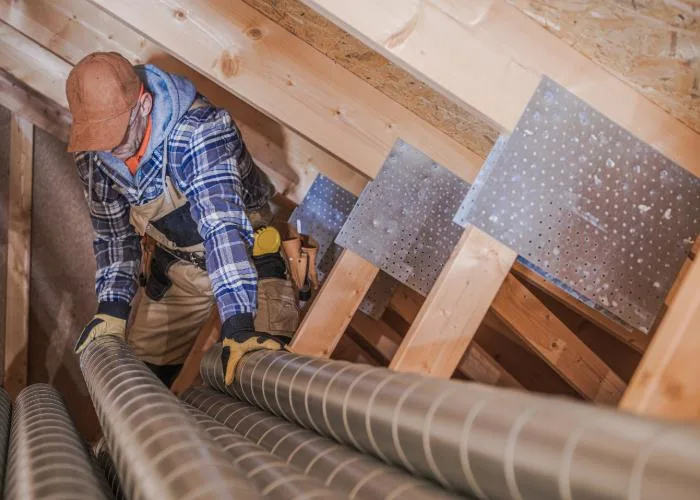
About RA Air Duct Cleaning Services
RA Air Duct Cleaning Services is a professional duct cleaning company dedicated to improving indoor air quality through air duct cleaning and HVAC system maintenance. With over 20 years of experience, their certified technicians use state-of-the-art equipment to effectively remove contaminants and restore airflow. Our company offers reasonable pricing and guarantees customer satisfaction with its duct cleaning and air duct repair services.
What happens if you don't clean your air ducts?
If you don't clean your air ducts, dust, dirt, pet dander, mold spores, and other contaminants will accumulate over time and get blown into your home's air. Uncleaned air ducts strain your HVAC system, forcing it to work harder to push air through blocked vents and circulate allergy triggers, odors, and even health hazards around your house. Neglecting air duct cleaning for prolonged periods allows pollutants to build up to levels that can significantly compromise your indoor air quality and the health of your family.
Can you clean air ducts yourself?
While it may seem possible to clean your air ducts on your own, most homeowners do not have the proper equipment or training to fully sanitize the ductwork. Duct cleaning requires special vacuums, brushes, and tools to dislodge debris and contaminants without pushing them further into the ventilation system. In addition, there are strict methods for containing and disposing of dangerous mold, bacteria, and other pollutants encountered so they do not spread into the home. Although smaller, more accessible vents may be cleaned by diligent DIYers, accessing the deeper ductwork to provide a complete air duct cleaning is best left to qualified professionals.
Will cleaning my air ducts make my house less dusty?
Yes, cleaning your air ducts can greatly reduce dust and other airborne allergens circulating in your home. Air ducts full of dust, dirt, and debris constantly blow particles into the air whenever your HVAC system runs. By thoroughly cleaning out built-up contaminants, less gets redistributed over time. However, for ongoing dust management, using high-quality air filters is also important after duct cleaning. While a deep professional cleaning clears most existing dust and dirt, regular replacement of air filters helps capture new dust before it re-enters ductwork. Combining periodic complete duct cleanings with proper air filter care provides the best strategy to keep dust under control and your indoor air fresh and healthy. Maintaining clean, open ductwork minimizes what can blow into your living areas, allowing you to keep a less dusty home.